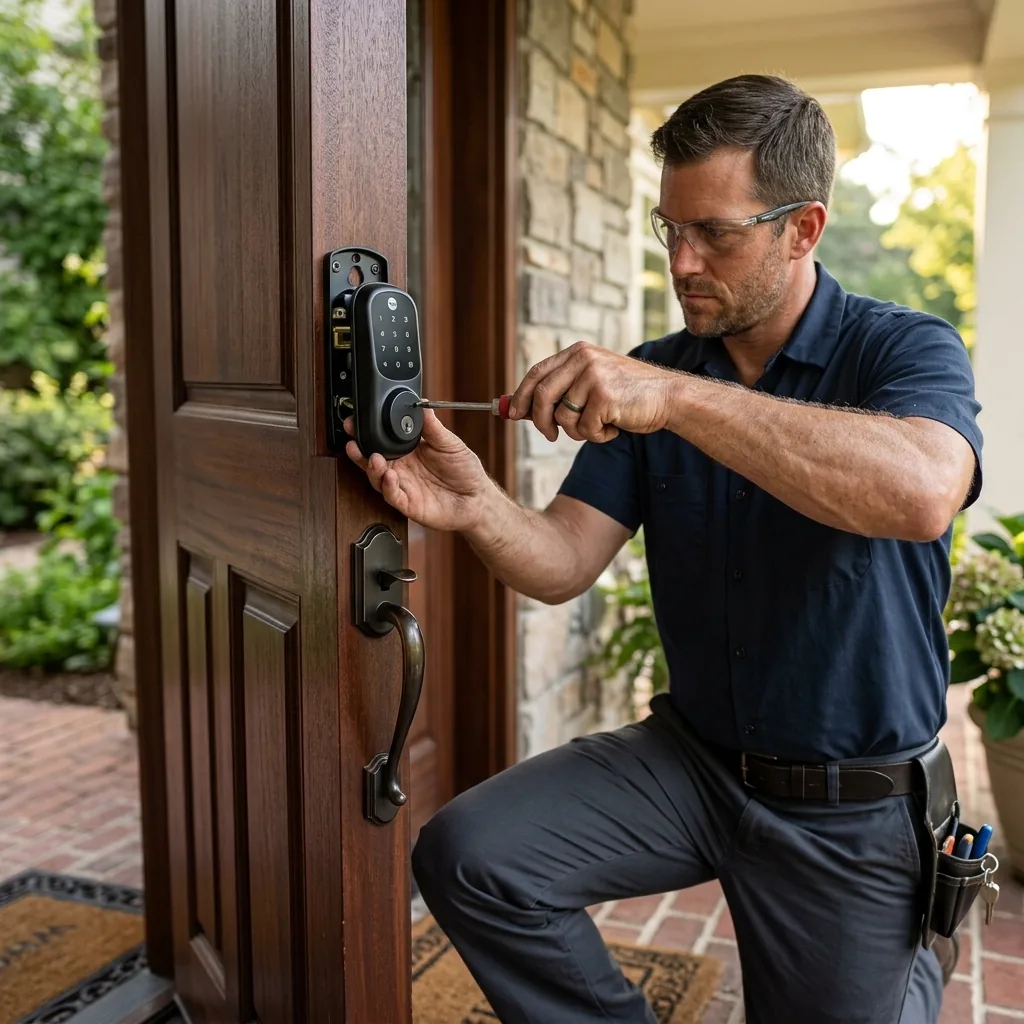
Residential Locksmith
Help with locked doors, worn keys, misaligned deadbolts and security updates for houses, condos, townhomes and apartments.
Learn more
Mobile locksmith · Atlanta service-area business
Residential, commercial and car locksmith work across the Atlanta area. Choose the service that fits your situation, or call and describe what is happening.
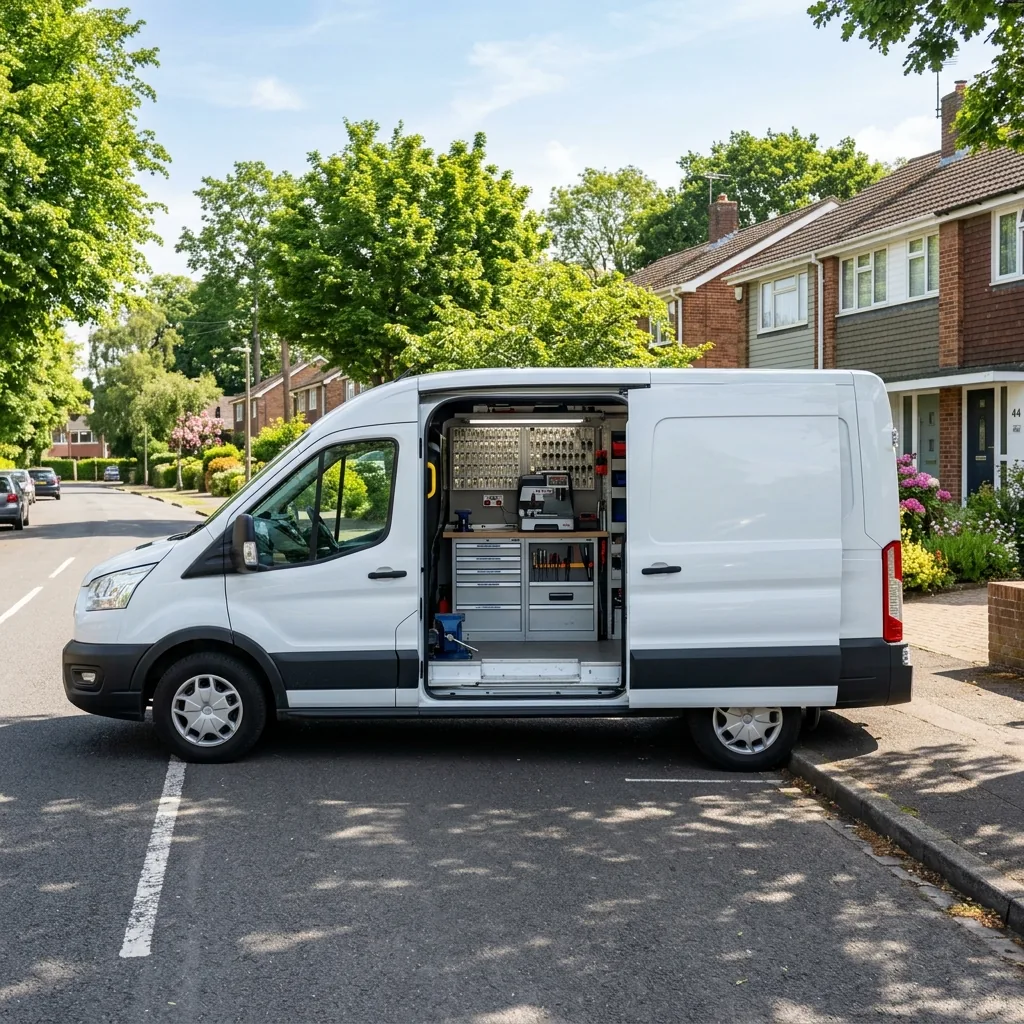
Help with locked doors, worn keys, misaligned deadbolts and security updates for houses, condos, townhomes and apartments.
Learn more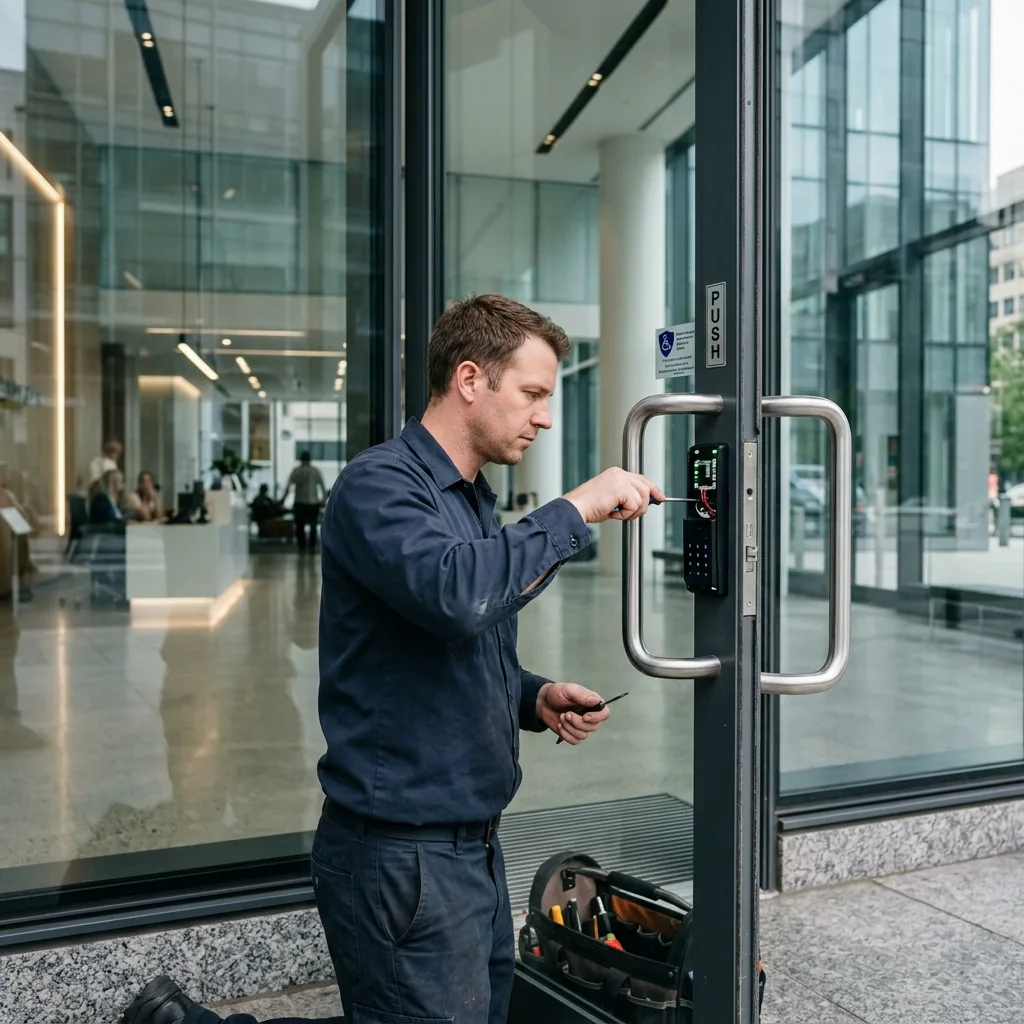
Practical lock and key support for storefronts, offices, property managers and local facilities across the Atlanta area.
Learn more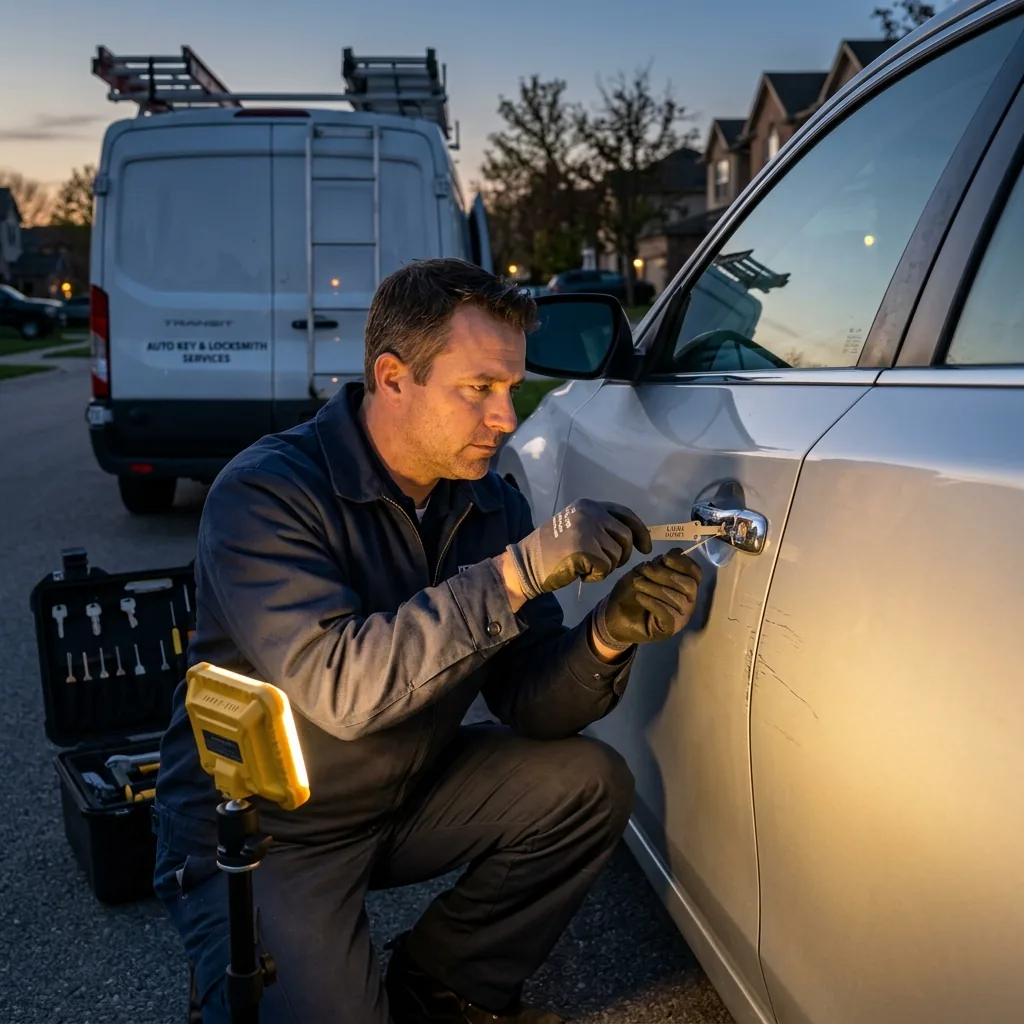
Help with keys locked inside, broken keys, replacement car keys and ignition-related problems. The year, make and model determine the key system.
Learn more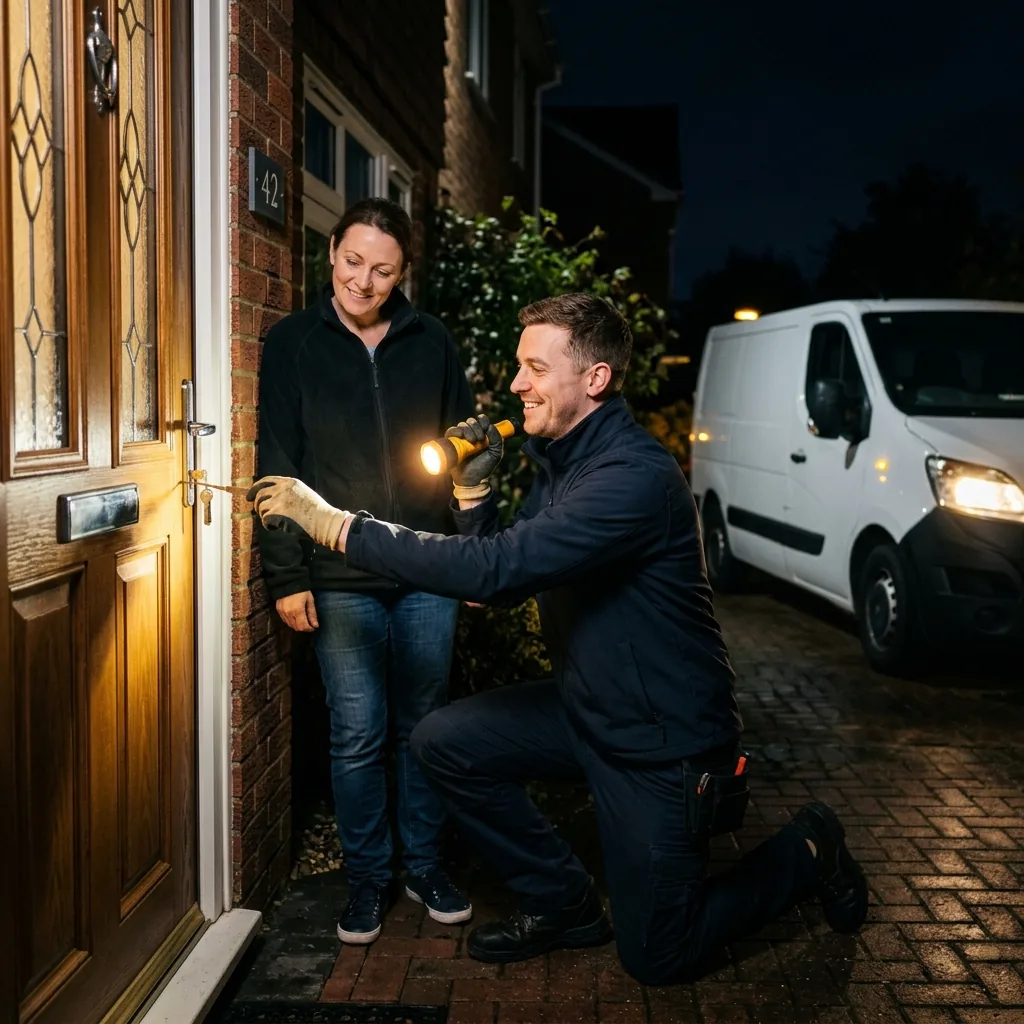
Regain access to a home, office or car with entry methods chosen for the specific lock. Authorization is confirmed before work begins.
Learn more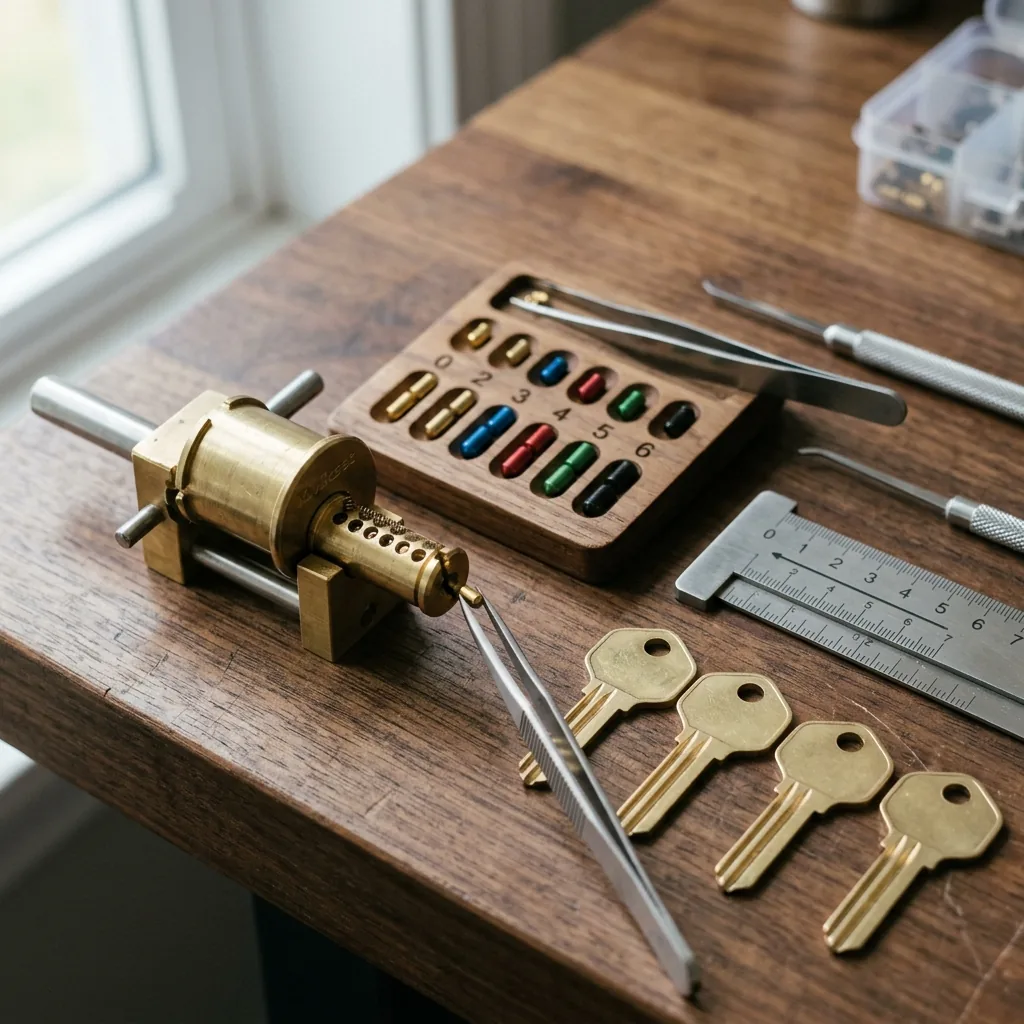
Rekeying changes the internal key combination of a compatible lock so older keys stop working, without replacing the whole lock.
Learn more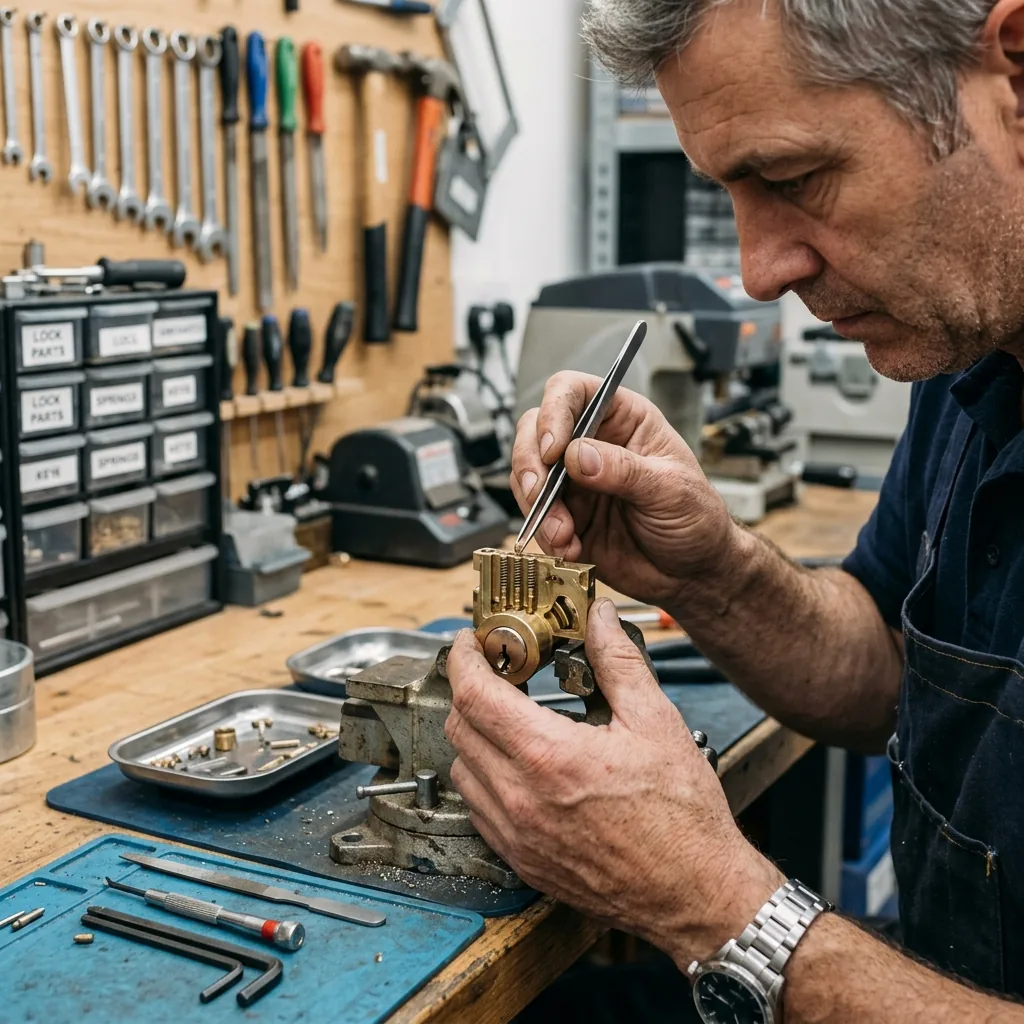
Diagnosis and repair for sticking, loose, misaligned or damaged locking hardware on homes and businesses.
Learn more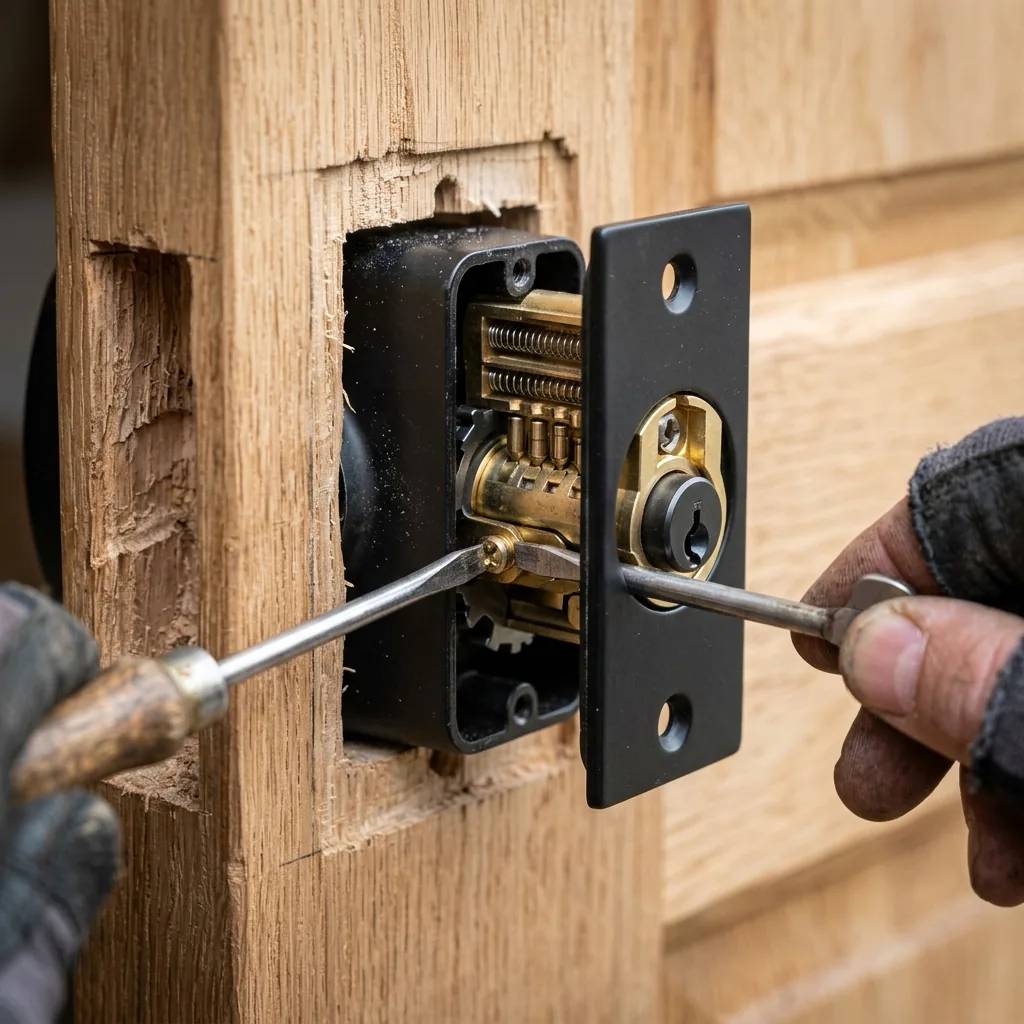
Removal of old hardware and installation of a new lock sized to the door and matched to how the entrance is used.
Learn more
Replacement house, business and car keys, including transponder and remote keys, cut and programmed to your existing locks or vehicle.
Learn more
Help outside normal hours for lockouts, broken keys, and doors or locks that will not secure a home or business.
Learn moreIf you already know what you need, the pages above go straight to it. If you are not sure, the distinction that matters most is between repair, rekeying and replacement. A lock that has become hard to operate usually needs repair or, if it is worn out, replacement. A lock that works but is opened by a key you no longer control needs rekeying. A door with no deadbolt, or a lock you want to upgrade, needs installation. When you describe the problem on the phone, the likely category is usually clear, and it is confirmed once the technician sees the hardware.
Residential work covers lockouts, rekeying after a move or a lost key, repair of sticking and misaligned locks, and installation of new deadbolts and entry hardware. Because a front door is a system, the technician checks the hinges, the frame and the strike, not only the cylinder. Full detail is on the residential locksmith page.
Commercial work covers rekeying after staff changes, repair and replacement of closers, panic hardware and mortise and storefront locks, and organising keys with a simple master system and a written schedule. Fire-rated and accessible openings are handled with hardware that keeps the rating. See the commercial locksmith page.
Automotive work covers lockouts, replacement keys and fobs, broken-key extraction, transponder programming and ignition assessment. What is possible depends on the year, make and model, which is confirmed on the call. Proof of ownership is required. See the car locksmith page.
For lockouts, broken keys and doors that will not secure outside business hours, the after-hours locksmith page explains what to expect. The client's phone line is listed as open 24 hours, and any pricing is explained on the call.
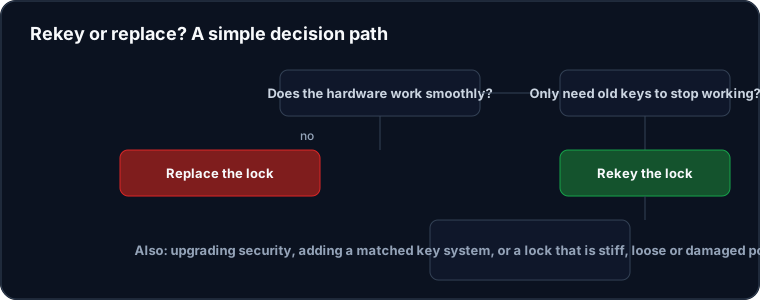
Almost every locksmith request is really one of three things. Repair corrects a fault in hardware that is otherwise sound, such as a misaligned deadbolt, a loose handle or a gritty cylinder. Rekeying changes which key operates a working lock, which is what you want after a move, a lost key or a staff change. Replacement removes the old hardware and fits new, which makes sense when a lock is worn, damaged, weak, or missing where you want one. Asking for the wrong one is common, and part of the job is pointing that out before any work.
A firm price depends on inspecting the work, so it is given after the technician sees the hardware rather than over the phone. The factors that move it are how many locks or doors are involved, the type and condition of the hardware, whether parts are needed, and the access at the site. Any pricing is described in general terms on the call and confirmed before work begins.
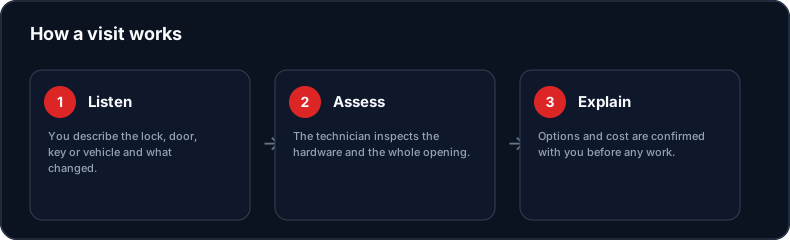
The technician inspects the hardware and the whole opening, explains the options and the cost, and confirms the work with you before starting. Non-destructive methods are used wherever the lock allows. If an unexpected condition turns up once a lock is apart, it is explained before any additional work goes ahead. Most standard work is completed on the first visit; anything needing a special-order part is scheduled.
A few words come up on almost every call. The cylinder or plug is the part the key goes into and turns; it holds the pins that are changed during a rekey. The bolt is what actually crosses into the frame: a spring latch on a knob or lever retracts when you turn the handle, while a deadbolt only moves when the key or thumbturn is turned. The strike is the metal plate on the frame that the bolt enters. The backset is the distance from the edge of the door to the centre of the bore, and the throw is how far the bolt travels. A mortise lock sits in a pocket cut into the edge of the door, common on older and commercial doors, while a bored or cylindrical lock fits into round holes drilled through the face.
People frequently ask to "change the locks" when they mean rekey, and to "rekey" when a lock is actually worn out and needs replacing. Others ask for a "new key" after a loss when what protects them is a rekey, since the lost key still works. And a request to "fix the deadbolt" is often really a request to realign the door. None of this is a problem; part of the job on the phone and on site is matching the request to what the situation actually needs, and explaining why.
Many visits touch two or three of these at once: a move-in rekey that turns up one worn lock to replace and a door to realign; a lockout that ends with a recommendation to rekey; an installation that needs repair work on the frame first. The technician handles what can be done in the visit, explains anything that needs a return trip for a part, and prices the combined work before starting.
Every job runs the same way regardless of which service it is. The technician listens to the problem and looks at the whole opening, not just the part you noticed. The options, repair, rekey or replace, are laid out with the reasoning and the cost. You agree the work before it starts. Non-destructive methods are used wherever the lock allows. If something unexpected turns up once a lock is apart, it is explained before any additional work. Standard work is finished on the first visit; anything needing a special-order part is scheduled, with a temporary measure in place if the opening cannot be left unsecured.
Across every one of these services, the same two measures come up. First, key your exterior doors alike so a single reliable key runs the property, which makes it realistic to lock every door and to keep track of how many copies exist. Second, make sure each exterior deadbolt throws its full length into a strike held by three-inch screws that reach the framing, because that is where most doors are weakest and it is the least expensive meaningful upgrade. Whatever you are calling about, it is worth asking the technician to check both while they are there.
Fast Locksmith Service travels to the customer and does not run a public walk-in shop, so the first contact is a phone call or the contact form rather than a counter visit. On the call you describe the lock, the door, the key or the vehicle and what changed; coverage is confirmed against your street or nearest intersection; and the likely category of work and the factors affecting its cost are discussed. A firm recommendation and a firm price still depend on the technician seeing the hardware, because the same symptom often has more than one cause.
Every access job requires proof that you own, occupy or are authorized to control the property or vehicle. For a home that is usually identification matching the address; for a rental, a lease or a manager's confirmation; for a business, an authorized contact; for a vehicle, ownership documentation. This is routine, it protects everyone, and a locksmith who is willing to skip it is one to be cautious about.
Wherever the lock allows, it is opened or serviced without damage: picking, bypass tools, and decoding leave the hardware usable afterwards. Drilling is a last resort for a seized or hardened lock, or one that is already broken, and the technician explains that it is next and that the lock will be replaced before doing it.
For planned work, a few photographs of the whole door and both faces of the hardware help the technician arrive prepared, and clearing the space around each door speeds the job. Afterwards, the technician checks that bolts throw fully with the door open and closed, that keys turn without effort, and that strike screws are tight in solid material, and explains anything that may need a further small adjustment as an older door continues to move with the seasons. The client's phone line is listed as open 24 hours, and any pricing is confirmed before work begins.
If you are unsure, call and describe the lock, the door and what changed. The likely service is identified on the phone and confirmed on site.
Coverage spans Atlanta and nearby communities. Check the service areas page or call with your location.
The client's phone line is listed as open 24 hours. Calling is the most direct way to reach us.
Call and tell us what is happening. The technician reviews the lock, door, key or vehicle and explains the options before any work begins.